

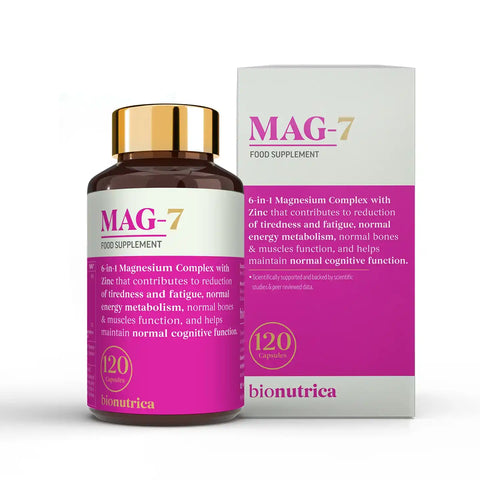
The future of wellness is no longer about quick fixes or isolated trends. Instead, it focuses on understanding how hormones, ageing and nutrition interact across the lifespan. In my clinical work as a Registered Nutritionist, I see a growing shift towards personalised, evidence-based approaches that support long-term health, resilience and quality of life.
As we live longer, people want to age well, not simply age. Consequently, interest in hormonal balance, anti-ageing nutrition and high-quality dietary supplements has increased. However, with an expanding supplement industry and endless wellness trends online, it can be difficult to know what genuinely supports health and metabolism.
In this article, I will explore the science behind hormones and healthy ageing, explain how nutrition underpins age-related health, and clarify why quality supplements matter. Most importantly, I will help you understand how to make informed choices that align with the future of wellness rather than marketing hype.
Future of Wellness: A Shift Towards Preventative, Personalised Care
The future of wellness is defined by prevention rather than reaction. Traditionally, healthcare has focused on managing disease once symptoms appear. However, modern wellness trends emphasise early intervention, lifestyle medicine and personalised nutrition strategies.
This shift is supported by research showing that diet, physical activity, sleep and stress management influence hormonal balance, metabolic health and biological ageing. As a result, people are seeking guidance that looks beyond calories and considers the whole person.
Within this context, dietary supplements and wellness supplements are often used to bridge nutritional gaps. However, they should complement, not replace, a strong nutritional foundation. When used appropriately, nutritional supplements may support age-related health and metabolism support, particularly during periods of increased demand.
Importantly, the supplement industry is also evolving. There is now greater emphasis on transparency, ingredient quality and evidence-based formulations. Therefore, understanding how supplements fit into a wider wellness strategy is essential.
Understanding Hormones: The Body’s Communication Network
Hormones are chemical messengers that regulate nearly every physiological process. They influence energy levels, mood, appetite, sleep, fertility and body composition. Consequently, even small hormonal shifts can have noticeable effects on wellbeing.
As we age, hormonal patterns naturally change. For example, oestrogen, progesterone and testosterone gradually decline, while insulin sensitivity and cortisol regulation may alter. These changes are normal, yet lifestyle factors strongly influence how the body adapts.
Common Signs of Hormonal Imbalance
In clinical practice, clients often ask how to recognise hormonal imbalance. While testing is essential for diagnosis, common symptoms may include:
- Persistent fatigue or low energy
- Unexplained weight changes
- Sleep disturbances
- Mood fluctuations or anxiety
- Changes in appetite or cravings
Although these symptoms are non-specific, they highlight the importance of supporting hormonal balance through nutrition, stress management and, where appropriate, targeted nutritional supplements.
Ageing and Metabolism: What Changes Over Time?
Ageing is a complex biological process influenced by genetics, environment and lifestyle. Metabolism, which refers to how the body produces and uses energy, naturally becomes less efficient with age. However, the rate and impact of this change vary significantly between individuals.
Muscle mass typically declines from mid-adulthood, while insulin sensitivity may reduce. Consequently, maintaining metabolic health becomes increasingly important for healthy ageing. Nutrition plays a central role here, particularly protein intake, micronutrient status and overall dietary quality.
Furthermore, chronic low-grade inflammation, often referred to as “inflammageing,” is associated with many age-related health concerns. Diets rich in anti-ageing nutrition principles, such as antioxidants and omega-3 fatty acids, may help modulate inflammatory pathways.
Therefore, the future of wellness prioritises metabolic flexibility, muscle preservation and inflammation management rather than weight loss alone.
Nutrition as the Foundation of Healthy Ageing
Nutrition is the cornerstone of hormonal health and healthy ageing. While supplements can be valuable, they are most effective when built upon a nutrient-dense diet. In practice, I encourage clients to focus on dietary patterns rather than individual nutrients.
Key Nutritional Principles for Age-Related Health
- Regular protein intake to support muscle and metabolic health
- Healthy fats to support hormone production and cellular integrity
- Complex carbohydrates for energy and gut health
- Micronutrients such as magnesium, zinc and B vitamins
- Phytonutrients from colourful fruits and vegetables
These principles support hormonal balance and may contribute to improved energy, cognition and resilience. Importantly, nutritional needs often change with age, medical history and lifestyle factors.
Therefore, personalised nutrition guidance is essential. What works well for one individual may not be appropriate for another, particularly when managing age-related health concerns.
Role of Dietary Supplements in Modern Wellness
Dietary supplements are widely used within the supplement industry to support nutritional adequacy. However, their role is often misunderstood. Supplements are designed to supplement the diet, not compensate for poor nutrition.
In certain life stages, such as midlife, menopause or periods of high stress, nutrient demands may increase. In these cases, nutritional supplements may help address specific insufficiencies identified through assessment.
When Supplements May Be Considered
- Documented nutrient deficiencies
- Restricted dietary patterns
- Increased physiological demands
- Age-related changes in absorption
Nevertheless, more is not always better. Excessive supplementation may carry risks, particularly when products are poorly formulated or taken without guidance. Consequently, quality and professional oversight are crucial.
Why Quality Supplements Matter More Than Ever
As the supplement industry expands, product quality varies widely. Quality supplements are distinguished by ingredient sourcing, bioavailability, manufacturing standards and evidence-based dosing.
Low-quality wellness supplements may contain inadequate active ingredients, unnecessary additives or forms that are poorly absorbed. In contrast, high-quality health supplements are formulated to align with human physiology and current research.
Key Markers of Quality Supplements
- Transparent labelling and ingredient disclosure
- Evidence-based dosages
- Appropriate nutrient forms
- Third-party testing and quality assurance
- Minimal unnecessary fillers
From a clinical perspective, quality supplements may support hormonal balance and metabolism support more effectively than generic products. However, they should always be used as part of a comprehensive wellness plan.
Anti-Ageing Nutrition: Beyond the Hype
Anti-ageing nutrition is often misunderstood as an attempt to stop ageing altogether. In reality, it focuses on supporting physiological function, reducing disease risk and promoting vitality across the lifespan.
Dietary patterns associated with longevity, such as Mediterranean-style eating, emphasise whole foods, healthy fats and plant diversity. These approaches are associated with improved metabolic health and reduced inflammation.
Within this framework, nutritional supplements may provide targeted support. For example, omega-3 fatty acids, vitamin D and certain antioxidants have been studied for their role in age-related health. However, results vary depending on baseline status and overall diet.
Therefore, anti-ageing nutrition should be individualised, realistic and grounded in science rather than trends.
Supporting Hormonal Balance Through Lifestyle and Nutrition
Hormonal balance is influenced by far more than supplements alone. Sleep, stress, physical activity and dietary patterns all play interconnected roles. Consequently, a holistic approach is essential.
Practical Strategies Use in Clinical Practice
- Assess dietary intake and lifestyle factors
- Address stress and sleep quality
- Optimise macronutrient balance
- Correct nutrient insufficiencies where appropriate
- Review supplement use regularly
By addressing these factors together, clients often experience improvements in energy, mood and metabolic resilience. Importantly, progress is gradual and sustainable rather than rapid and restrictive.
Future of Wellness and the Evolving Supplement Industry
Looking ahead, the future of wellness will continue to prioritise education, transparency and personalisation. The supplement industry is responding by investing in research, cleaner formulations and traceable supply chains.
Consumers are becoming more informed and selective. As a result, there is increasing demand for health supplements that align with clinical standards rather than marketing claims.
This evolution supports better outcomes when supplements are used appropriately. However, professional guidance remains invaluable in navigating choices and avoiding unnecessary or ineffective products.
Conclusion
The future of wellness lies in understanding the intricate relationship between hormones, ageing and nutrition. By prioritising whole-food nutrition, lifestyle foundations and, where appropriate, quality supplements, individuals can support hormonal balance and healthy ageing.
Rather than chasing trends, I encourage a thoughtful, personalised approach grounded in science. In my clinical practice, I see the greatest success when clients view dietary supplements as supportive tools within a wider wellness strategy.
Disclaimer
This article is intended for educational purposes only and does not replace personalised medical or nutritional advice. Always consult a qualified healthcare professional before making changes to your diet or supplement regimen.


