

Winter brings shorter days, colder temperatures, and lifestyle changes that can impact your health and nutrient levels more than you might think. With less sunlight and more time spent indoors, your body may produce less vitamin D, experience weaker immunity, feel lower mood, and have changes in diet quality.
These factors often lead people to look for winter supplements for added support, but with so many options available, it’s crucial to choose safe and effective Winter Supplements. A careful, responsible approach to supplementation helps you avoid unnecessary products and ensures that the nutrients you take genuinely improve your winter wellness.
How Winter Affects Nutrient Levels
Seasonal changes can affect various bodily processes. Reduced sunlight can decrease your natural vitamin D production, and shorter days can disrupt your circadian rhythm, leading to changes in energy and mood. Winter also tends to increase viral activity due to more indoor time, putting extra strain on your immune system.
Additionally, comfort foods in the winter often replace fresh, nutrient-rich produce, which can lower your intake of magnesium, omega-3 fatty acids, and zinc. These combined effects explain why many people think about supplementing certain nutrients during the winter months to maintain overall well-being.
Best Supplements to Consider in Winter
Here are some nutrients commonly used during colder months. Remember that supplements should fill gaps in your diet, not replace healthy eating.
-
Vitamin D
Less sunlight means many people may lack this vital vitamin needed for immunity, mood, and bone health. Look for vitamin D3 (cholecalciferol) for better absorption.
-
Omega-3 Fatty Acids
These are helpful for balancing mood and reducing inflammation. Choose supplements that clearly list EPA and DHA, and avoid those that don’t specify the amounts.
-
Zinc
Zinc supports immunity and cell repair. The best forms include zinc picolinate or citrate because they are absorbed better.
-
Probiotics
Winter stress and dietary changes can disrupt gut health. Seek out strain-specific formulas that provide clear CFU counts.
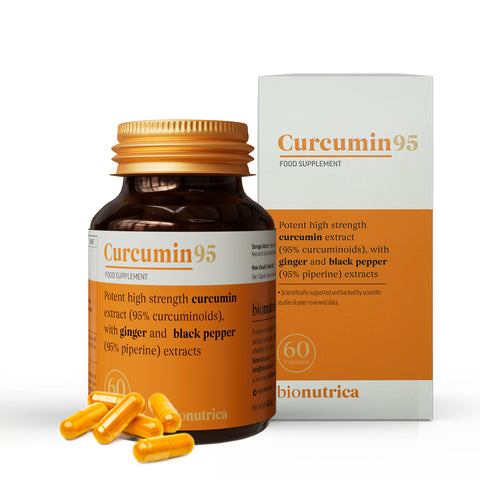
Premium supplements like Bionutrica Curcumin-95, which offers a concentrated turmeric extract, or targeted options like Bionutrica Bioprostate and Bionutrica MAG-7 can also fit into a winter wellness plan based on individual needs.
Who Needs Supplements in Winter?
Not everyone needs winter supplements, but some groups may benefit more. People living in northern regions or those who spend most of their days indoors may struggle to maintain healthy vitamin D levels. Those on restricted diets like vegans, vegetarians, or people who avoid fish or dairy might find it difficult to meet their needs for nutrients such as zinc, omega-3s, and magnesium.
Adults over 50, people experiencing seasonal mood changes, and those with inconsistent eating habits may also find supplements helpful. Ultimately, the decision to take supplements should depend on your lifestyle, diet quality, and personal needs instead of the idea that everyone needs extra nutrients in winter.
What to Look for When Buying Supplements in Winter
When selecting supplements, focus on quality indicators rather than flashy marketing. Absorption quality should be one of your main concerns since different forms of nutrients are not equally absorbed by your body. For example, magnesium glycinate is absorbed better than magnesium oxide, and extracts like Bionutrica Curcumin-95 are more potent than raw turmeric powder. Dosage is also crucial; supplements should stick to established reference ranges instead of providing excessively high amounts that may cause harm.
Safety is equally important, which is why third-party testing is a clear sign of a reliable product. Certifications from organizations like USP, NSF, or Informed Choice confirm that a supplement contains what it claims without harmful contaminants. It is also essential to look for clear labeling. High-quality brands openly state doses, ingredient sources, and excipients instead of hiding behind vague proprietary blends. A responsible brand avoids exaggerated promises and instead emphasizes research-based benefits and realistic outcomes, which matches with science-driven products like Bionutrica Mag-7 and Bionutrica Bioprostate.
When to Supplement vs. When Food Is Enough
Supplements are tools for filling nutritional gaps, not replacements for whole foods. Many nutrients are better absorbed when consumed naturally because vitamins, minerals, fiber, and antioxidants work together in whole foods. Citrus fruits, peppers, and berries provide lots of vitamin C, while leafy greens, seeds, and legumes are great sources of magnesium. Fatty fish like salmon provide EPA and DHA, and fermented foods such as yogurt or kimchi have beneficial probiotics.
However, winter can make it harder to rely only on food. Limited sunlight can hinder vitamin D production, and busy schedules might prevent eating nutrient-dense meals. Restricted diets or limited access to fresh produce can also create nutritional gaps. In these situations, adding well-formulated supplements can help maintain balance. The goal is always to combine healthy eating with smart supplementation not to overuse or misuse products.
Other Things to Consider When Choosing a Supplement in Winter
Beyond product quality, consider your overall lifestyle when deciding if a supplement is right for you. The quality of your diet plays a significant role; supplements won’t make up for long-term nutrient-poor eating. Sleep, stress, hydration, and exercise also impact nutrient needs and overall wellness in winter.
Cost is another factor, which is higher the quality does not always mean the most expensive option, but very low prices often suggest compromised quality. You might also have preferences for certain forms of supplements. While gummies are convenient, they usually contain added sugar and offer lower potency, making capsules or powders better choices for consistent nutrient levels. Storage conditions matter too; some supplements can degrade if exposed to extreme cold or fluctuating temperatures.
Recognizing and Avoiding Red Flags When Buying Supplements
With so many supplements available, it is vital to identify warning signs that indicate poor quality or misleading products. Noticing these red flags helps you choose safe, effective, and trustworthy supplements for your winter wellness routine.
-
Exaggerated Health Claims
Supplements that promise quick fixes, disease cures, or instant results are unsafe. Legitimate products focus on support, not miracle outcomes. Exaggerated claims often come from low-quality or misleading formulations.
-
Extremely High Dosages
Taking excessive dosages beyond recommended levels can be harmful. More is not better; responsible brands adhere to established nutrient guidelines to avoid unnecessary risks.
-
No Third-Party Testing
If a product lacks independent testing, its purity, potency, and safety remain unverified. Trusted supplements display testing seals or provide information regarding their quality assurance process.
-
Proprietary Blends Hiding Dosages
Blends that don't show exact ingredient amounts prevent you from knowing what you're consuming. Transparent labels provide individual dosages and prioritize user safety.
-
Suspiciously Low Prices
Very cheap supplements often compromise on ingredient quality, testing, or sourcing. Safe and effective products require proper manufacturing standards that aren’t compatible with unrealistic pricing.
-
Vague or Missing Company Information
Brands that lack clear contact details, manufacturing locations, or sourcing transparency may be unreliable. Reputable companies offer accessible customer support and detailed product information.
-
Fake or Manipulated Reviews
Unrealistic, repetitive, or overly positive reviews may signal manipulation. Authentic brands show a mix of feedback, real customer experiences, and honest responses to concerns.
The Bottom Line
Winter supplementation can be beneficial, but focus on quality, safety, and individual needs when making choices. The most effective supplements pay attention to absorption, appropriate dosages, and thorough third-party testing. Thoughtful brands provide clear labels and avoid exaggerated health claims, enabling you to make informed decisions.
Whether you're thinking about vitamin D, omega-3s, zinc, probiotics, or targeted formulas like Bionutrica Curcumin-95, Bionutrica Bioprostate, or Bionutrica MAG-7, the key is to use supplements wisely to support your diet and lifestyle instead of replacing them. By carefully selecting products and being mindful of red flags, you can confidently and responsibly enhance your winter wellness.


